Solar Panels in Quetta: 7 Things to Know Before You Install in 2026
Quetta sits on a high plateau with some of the clearest skies and highest solar irradiation in Pakistan — a near-perfect recipe for rooftop generation. Yet the city’s altitude, cold winters, and patchy grid make installing solar panels in Quetta a little different from the plains. This 2026 guide covers seven practical things every Quetta household and business should know before buying.
Get these right and you unlock year-round savings plus real independence from an unreliable grid. Get them wrong and you leave free energy on the table. Let’s start with Quetta’s biggest advantage.
1. Quetta’s altitude is a hidden solar advantage
At over 1,600 metres, Quetta’s thin, dry air scatters less sunlight, so panels receive stronger, cleaner irradiation than most lowland cities. Balochistan consistently ranks among Pakistan’s best solar regions. In practice, this means a given array in Quetta often out-produces the same array in a humid coastal city.
Cool ambient temperatures help too. Solar cells lose efficiency as they heat up, so Quetta’s crisp air actually keeps panels closer to their rated output on sunny winter days.
2. Winter cold and snow need design planning
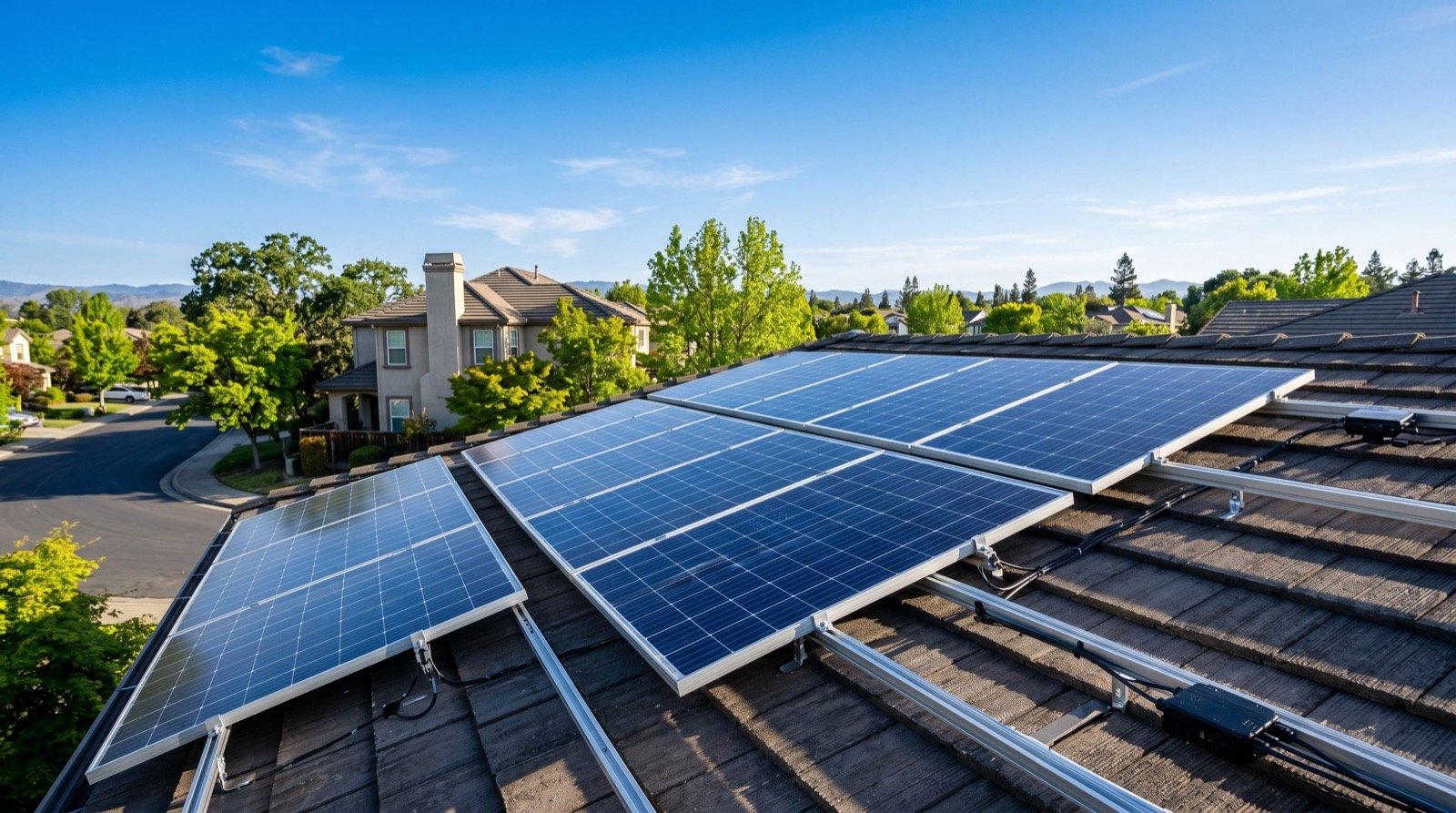
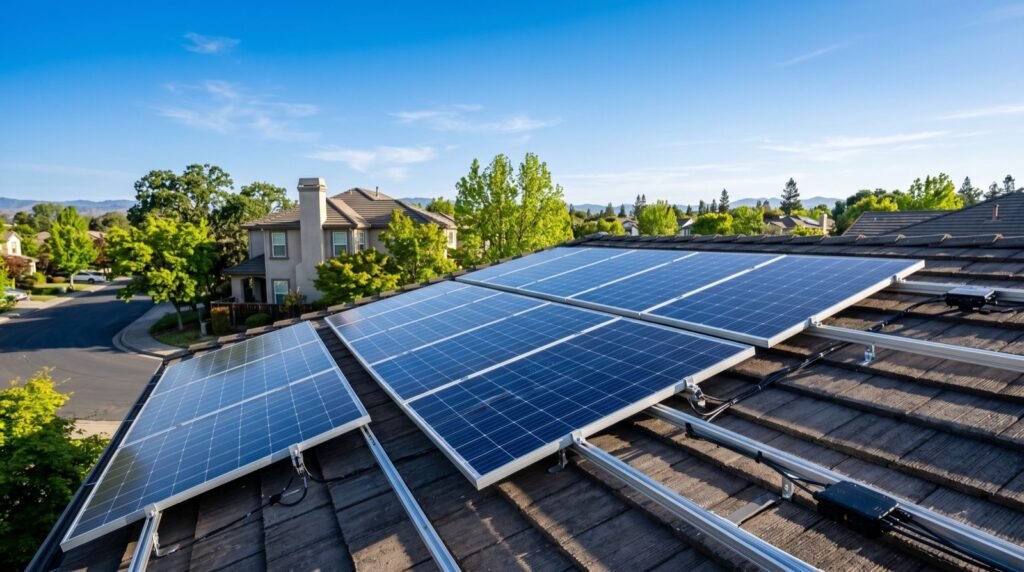
Quetta winters are genuinely cold, with occasional snow. Panels still generate in cold, bright conditions, but your mounting must handle snow load and be tilted steeply enough to let snow slide off. A steeper winter-optimised tilt also captures the lower winter sun more directly.
Why tilt angle matters here more than elsewhere
In most Pakistani cities a near-flat tilt works fine. In Quetta, a steeper angle improves winter yield and self-clears snow, so insist your installer calculates tilt for your specific latitude rather than using a one-size-fits-all rack.
3. Off-grid and hybrid systems shine in Quetta
Grid reliability varies across Balochistan, so storage matters more here than in big metros. Many Quetta homes choose hybrid or fully off-grid systems to stay powered through outages and remote-area supply gaps.
- Hybrid: keeps essentials running during outages and still lets you use the grid when available.
- Off-grid: total independence for farms, remote homes, and areas with no dependable line.
- On-grid: cheapest and fastest payback where the grid and net metering are reliable.
4. Understanding solar inverter and system pricing
The inverter is the single most important component for an off-grid or hybrid Quetta setup, since it manages batteries and backup switching. Before you commit, research the current solar inverter price in Pakistan so you can judge whether a quote is fair and whether you are getting a hybrid-capable unit.
The table below shows typical residential system tiers and what each is suited for in Quetta’s conditions.
| System | Type | Backup capability | Best for |
|---|---|---|---|
| 3 kW | Hybrid | Lights, fans, router | Small home, frequent outages |
| 5 kW | Hybrid | Add 1 AC or heating pump | Average family home |
| 7.5 kW | Off-grid | Full-house essentials | Remote or no-grid locations |
| 10 kW+ | Off-grid/hybrid | Whole property | Shops, farms, large homes |
5. Battery choice is critical in a cold climate
Cold affects batteries. Lithium iron phosphate (LiFePO4) units handle Quetta’s temperature swings far better than old lead-acid banks and need no maintenance, though they should be sited in an insulated, non-freezing spot for best life. Size the bank around the essential loads you want to survive an outage, not your entire consumption.
6. Net metering and policy still apply
Where the grid is stable, net metering lets you export surplus daytime power for credit. The scheme is overseen nationally, and you can confirm current consumer rules through the national electricity regulator NEPRA. Pakistan’s renewable targets, coordinated by national energy bodies, keep these incentives in place through 2026 and beyond.
7. The installer makes or breaks the result
Quetta’s conditions demand experienced hands — correct tilt, snow-rated mounting, cold-aware battery siting, and proper earthing all matter. Choose quality service providers who understand high-altitude installs and document their workmanship rather than the cheapest crew you can find.
- Ask about experience with cold-climate and off-grid installs specifically.
- Confirm snow-load rating on the mounting structure.
- Get written warranties on panels, inverter, and battery.
- Require a post-install commissioning report and after-sales contact.
What does a Quetta installation actually cost to run?
The appeal of solar is that once installed, your daytime fuel is free. Still, buyers should budget for a few predictable ownership costs so there are no surprises. Over a 25-year life, these are modest compared with the electricity you displace.
- Battery replacement: a LiFePO4 bank typically lasts many thousands of cycles, but plan for one replacement across the system’s life.
- Occasional cleaning: Quetta’s dry, dusty spells leave film on the glass; a few rinses a year restore peak output.
- Inverter servicing: hybrid and off-grid inverters benefit from a periodic firmware and connection check.
- Monitoring: most modern systems include an app so you can spot a drop in output early.
An original tip for cold-climate owners
Site your battery enclosure on an interior or insulated wall rather than an exposed outdoor rack. LiFePO4 cells charge poorly below freezing, and Quetta’s winter nights can be harsh. A simple insulated, ventilated cabinet indoors can noticeably extend battery life and preserve usable capacity through the coldest months.
Real experience: why winter sizing trips people up
Many first-time Quetta owners size their array for glorious summer output and then feel short in December, when days are shortest and the sun sits low. The fix is to plan around your winter load, not your summer peak, and to set a steeper panel tilt. Build in that headroom from the start and your system stays comfortable all year rather than only in the sunny months.
Frequently Asked Questions
Do solar panels in Quetta work well in winter?
Yes. Panels generate on cold, bright days and the cool air actually helps efficiency. The keys are a steeper tilt to catch the low winter sun and to shed snow, plus a battery sited where it will not freeze. Winter yield is lower than summer but still useful.
Is off-grid better than on-grid in Quetta?
It depends on your location. Where the grid is reliable, on-grid or hybrid gives the fastest payback. In remote Balochistan areas with weak supply, off-grid independence is often the more practical choice despite the higher battery cost.
How does altitude affect solar output?
Quetta’s high, dry air means stronger, cleaner sunlight reaches the panels, and the cool temperatures keep cells near rated output. Together these typically give Quetta arrays an edge over the same system installed in a humid lowland city.
What size system should I start with?
A 5 kW hybrid system suits most average Quetta homes and offers room for an AC or heat pump. Base the final size on a year of electricity bills and the essential loads you want backed up during outages.
Conclusion
Quetta’s high-altitude sunshine makes it one of Pakistan’s most rewarding places to go solar in 2026 — provided you plan for cold, snow, and grid gaps with the right tilt, batteries, and installer. Review your bills, decide how much backup you need, and compare itemised quotes. Ready to harness Quetta’s abundant sun? Book a site survey today and start generating your own clean power.